How Many Plants Does an Office Need?
Many offices want to introduce plants but are unsure how many they actually need. This often leads to long conversations with plant installation companies or landscapers, only for the process to feel unnecessarily complicated.
The result is usually one of two things: too few plants, leaving the space feeling sparse, or too many, creating visual clutter.
In reality, most offices only need a small number of well-chosen plants, placed carefully to create impact and balance within the space.
Why Plants Matter in Offices
Plants play an important role in shaping the atmosphere of a workspace. Many modern offices are built with materials such as glass, steel and concrete. While visually striking, these finishes can sometimes feel hard or impersonal.
Introducing plants helps soften these interiors and brings a natural balance to the space. A well-placed plant can break up sharp architectural lines and make large areas feel more welcoming.
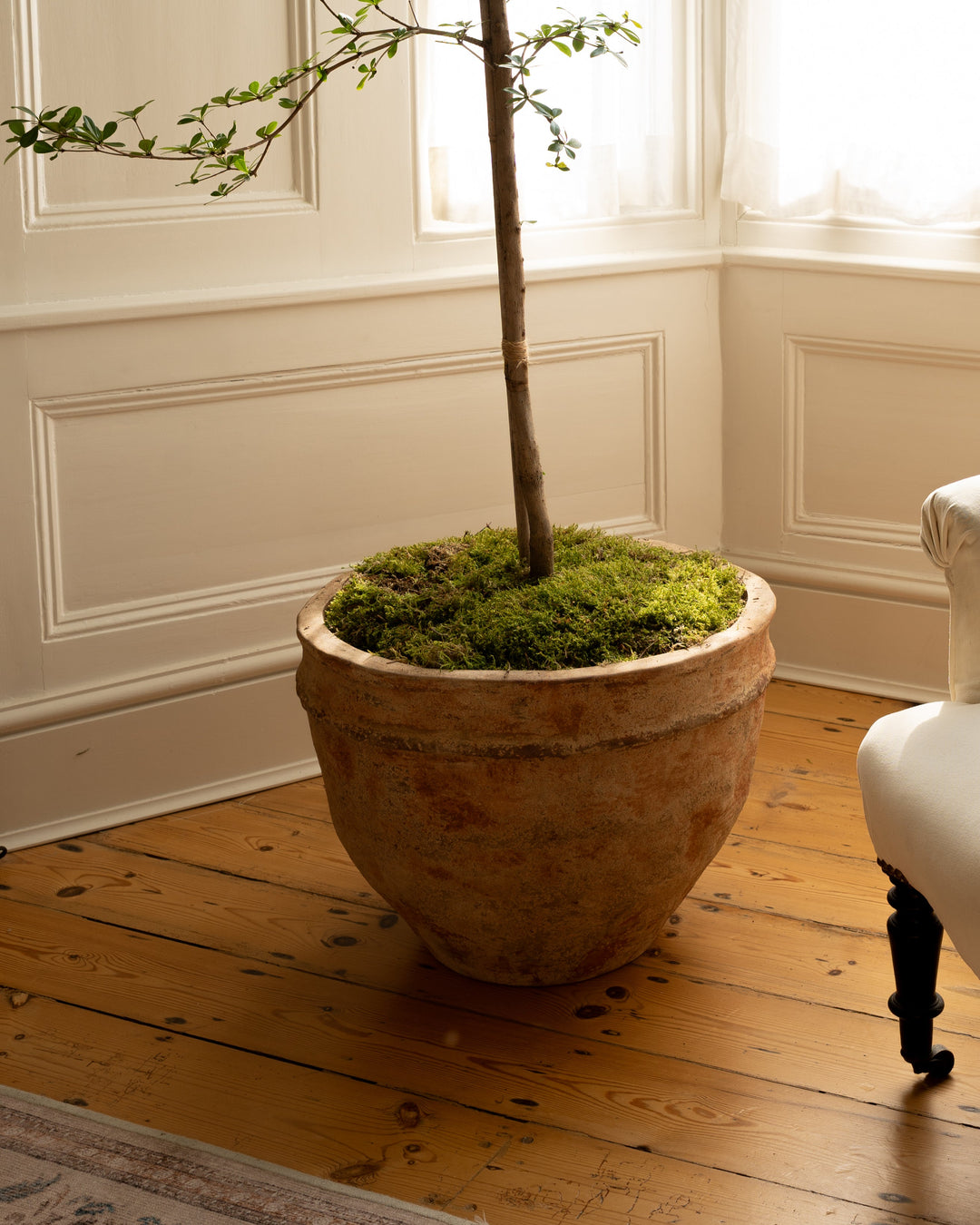
Rather than filling an office with many medium-sized plants, a few carefully chosen architectural plants placed in key areas often have the greatest impact. These larger plants create focal points while maintaining the clean, professional aesthetic that suits most commercial environments.
A Simple Rule for Office Planting
A good office planting scheme usually focuses on a small number of larger architectural plants placed throughout the space.
It helps to begin with what designers often call “anchor plants.” These are statement plants positioned in the most visible areas of the office, such as reception spaces or client-facing meeting rooms.
Small Office (10–20 people)
Around 5 plants is usually enough.
Typical layout:
Reception area – 1 large plant
Main workspace – 1 large plant
Meeting room – 1 large plant
Breakout area – 1 large plant
Empty corner or circulation space – 1 large plant
Medium Office (20–50 people)
Around 10 plants generally creates good balance.
Typical layout:
Reception area – 1 large plant, 2 medium plants
Main workspace – 3 large plants
Meeting room – 1 large plant with smaller supporting plants
Breakout area – 1 large plant
Circulation spaces – additional plants where needed
Large Office (50+ people)
Around 15–20 plants usually works well.
Typical layout:
Reception area – 2 large plants
Main workspace – several large anchor plants with smaller clusters
Meeting rooms – 1 large plant per room
Breakout areas – 1–2 larger plants
Shelving or counters – small clusters of plants
Empty corners – large architectural plants
Styling tip: When arranging smaller plants together, group them in odd numbers (3, 5 or 7). In nature plants rarely grow in perfect symmetry, so odd groupings tend to feel more natural and relaxed than even numbers.

Where Plants Work Best in an Office
Plants tend to work best when placed in areas where they can help define the space.
Common placements include:
• Reception areas
• Meeting rooms
• Empty corners
• Near windows
• Beside seating or breakout areas
Avoid placing plants directly on desks where they can quickly become cluttered or overlooked.
Example 10 Piece Plan

Why Fewer Large Plants Work Better
Larger plants tend to work better in offices for both design and practical reasons.
From a design perspective, large plants create structure within a room. They act almost like a piece of furniture or artwork, giving the space a focal point rather than simply filling an empty corner.
Office ceilings are often 2.6–3 metres high, which means larger plants help fill vertical space in a way smaller plants cannot.
There are also maintenance advantages. Larger plants hold more soil and moisture, meaning they are generally more forgiving if watering schedules are slightly inconsistent. Managing five large plants is usually far easier than maintaining fifteen small ones.
In short, statement plants:
• Fill otherwise unused vertical space
• Create visual structure within the room
• Deliver greater impact with fewer plants
• Are typically easier to maintain
Choosing the Right Size Plants
Most offices have ceilings between 2.6 and 3 metres. In these spaces, plants around 180–200cm tall usually feel well proportioned.
Plants smaller than around 160–180cm can sometimes disappear visually within the room, particularly when surrounded by desks, seating and other furniture.
Larger architectural plants help balance the scale of the space and feel intentional within the interior.
Best Plants for Offices
A few plants consistently work well in office environments because they combine height, durability and strong architectural form.
The most reliable choices are:
• Fiddle-leaf fig (Ficus lyrata) – a striking statement plant often used in reception spaces
• Kentia palm – elegant and well suited to breakout areas or seating spaces
• Dracaena marginata – tall and lightweight, ideal for corners and tighter spaces
• Rubber plant (Ficus elastica) – glossy foliage that works well in contemporary interiors
These plants typically reach 180–200cm, making them well suited to offices with ceiling heights between 2.6–3 metres.
A Simple Way to Plant an Office
Many companies prefer a straightforward approach rather than designing a planting scheme from scratch.
One practical option is to choose a small collection of plants suited to different office sizes.
For example:
• 5 plants for smaller offices
• 10 plants for medium offices
• 20 plants for larger workplaces
Plant Drop collections are designed to simplify this process, offering easy-to-care-for plants paired with well-chosen planters suited to professional interiors.
Conclusion
Creating a well-planted office does not require large numbers of plants.
A small number of well-placed architectural plants can transform a workspace, helping it feel calmer, more balanced and more welcoming.
By focusing on size and placement rather than quantity, it is possible to create a workspace that feels thoughtfully designed while remaining simple to maintain.