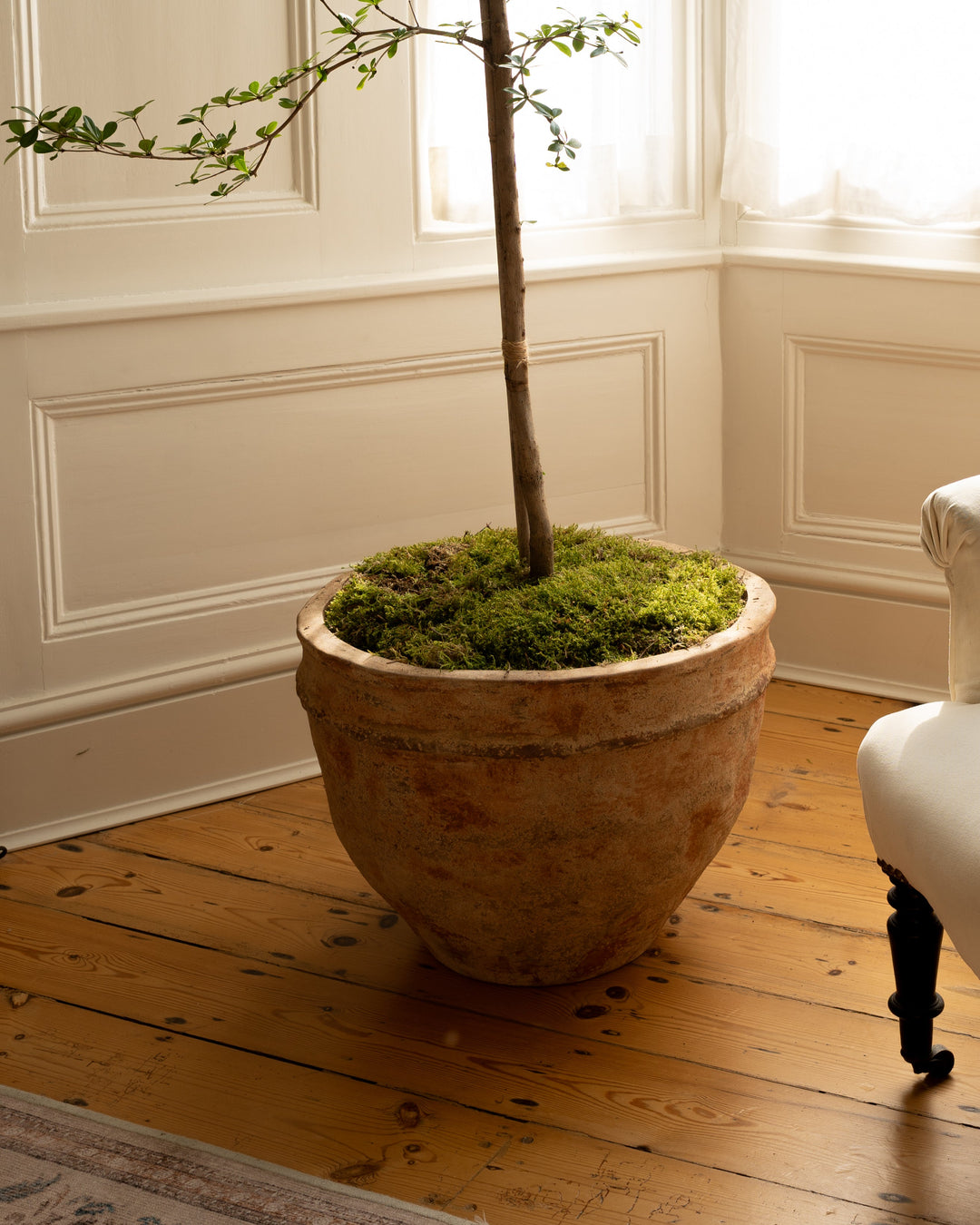
Plants for Bay Windows and Entrance Spaces
Bay windows and entrance areas are two of the most natural places to introduce plants into a home. Both spaces are highly visible and often receive good natural light, making them ideal locations for statement plants.
When chosen carefully, a single well-placed plant can transform these areas, creating a welcoming first impression while adding height and structure to the room.
Rather than filling these spaces with several small plants, larger architectural plants usually create the most balanced and elegant result.
Why Plants Work Well in Bay Windows
Bay windows naturally draw the eye. Their shape often creates a focal point within a room, making them an ideal setting for a statement plant.
Because bay windows typically receive more light than other parts of the room, they also provide excellent growing conditions for many indoor plants.
A plant placed within a bay window can:
• create a strong focal point
• soften the lines of window frames and shutters
• introduce height into the space
• make the room feel more complete
In many homes, a single plant positioned centrally within the bay window is often enough.
Choosing the Right Size Plant
Bay windows often have generous ceiling height, particularly in Victorian and Edwardian homes.
In these spaces, plants between 170–200cm tall usually feel well proportioned. This height allows the plant to fill the vertical space without overwhelming the window.
It is generally best to allow 30–50cm of space between the top of the plant and the ceiling, which keeps the plant feeling balanced within the room.
Plants that are too small can appear lost in the space, while plants that reach the ceiling can feel cramped.
Plants That Work Well in Bay Windows
Certain plants naturally suit bay windows because of their structure and ability to handle brighter light.
Fiddle-Leaf Fig (Ficus lyrata)
The fiddle-leaf fig is a classic bay window plant. Its large sculptural leaves create a strong focal point and its upright structure works well within the vertical space of a window.
Bird of Paradise (Strelitzia)
Strelitzia plants bring height and drama to brighter rooms. Their large leaves catch the light beautifully and help fill wider bay windows.
Weeping Fig (Ficus Exotice)
Weeping fig trees with their twisted stems and large heads are very airy plants that do particularly well in the bright light afforded to them by bay windows. They also have the benefit of the canopy generally being above lower shutter height so provide privacy above whilst letting light flood in.
Black Olive Tree (Bucida Buceras)
For a softer look, black olive trees introduce gentle foliage on a tree that eventually becomes denser at the top. They work particularly well in very direct light to all sides, something a bay window can offer.
Using Plants in Entrance Spaces
Entrance areas are another ideal location for plants because they shape the first impression of a home.
A well-chosen plant near the doorway can immediately make the space feel warmer and more welcoming.
Plants in entrance spaces often work best when positioned:
• beside the front door
• next to a console table
• near a staircase
• in an empty corner of the hallway
Because entrance areas are typically transitional spaces, a single statement plant is often more effective than several smaller plants.
Choosing Plants for Hallways
Hallways often have less natural light than living spaces, so it is important to choose plants that can tolerate slightly lower light conditions.
Good options include:
• Kentia palms
• Dracaena marginata
• Rubber plants
• Aspidistra (cast iron plant)
These plants tend to be more tolerant of variable light while still providing enough structure to make an impact.
A Simple Styling Tip
When placing plants in bay windows or entrance areas, try positioning them slightly away from the wall rather than pushing them directly into the corner.
This allows the plant’s shape to be appreciated and makes the placement feel more intentional.
A plant positioned beside a console table or slightly offset from a window seat often feels more balanced than one tucked tightly into the corner.
Conclusion
Bay windows and entrance spaces are two of the easiest areas in a home to enhance with plants.
By choosing a plant with the right height and presence, it is possible to create a strong focal point that makes the space feel more welcoming and visually complete.
In many cases, a single well-chosen plant is all that is needed to transform the space.