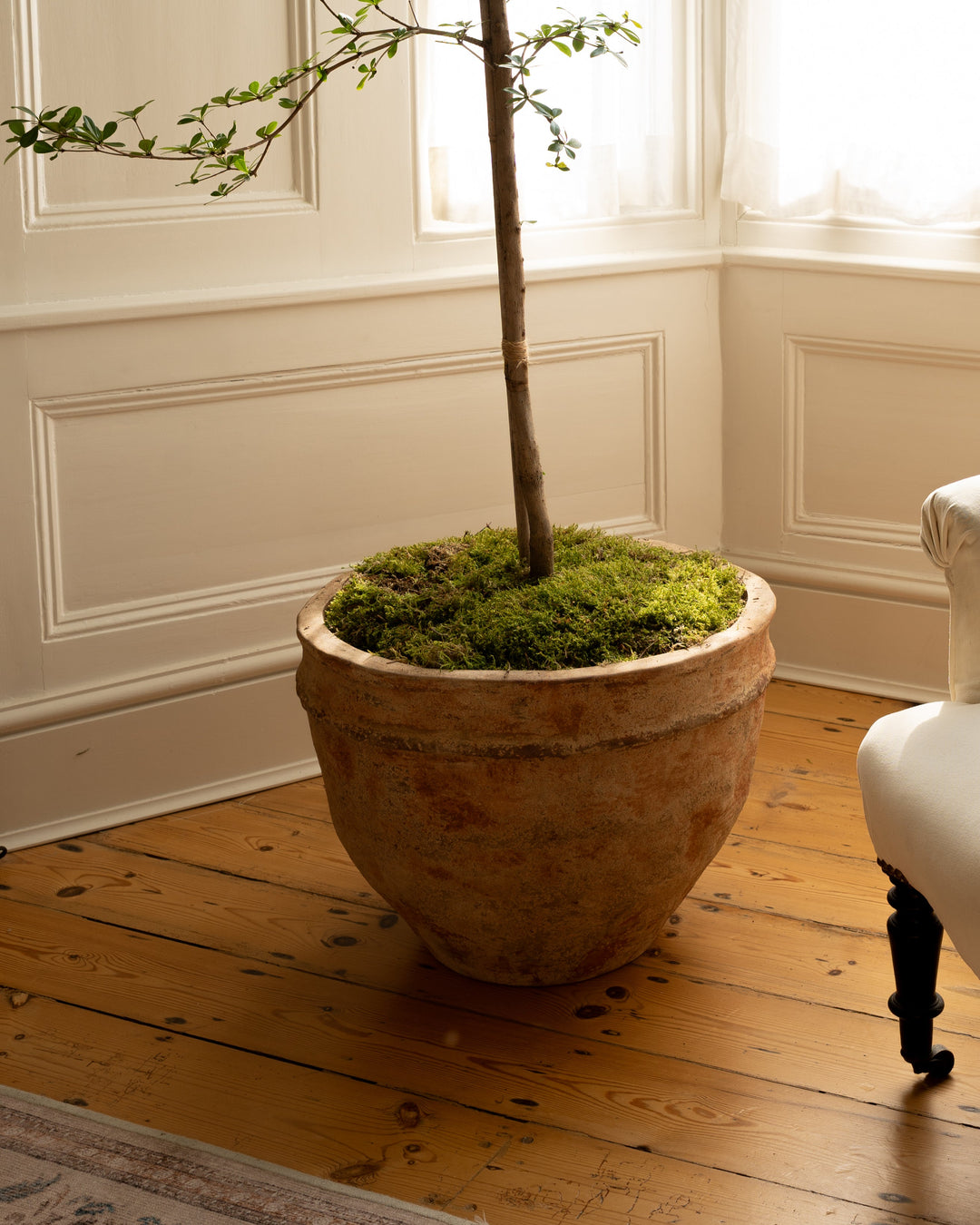
Plants for Lower-Light Spaces
Many homes include areas that receive less natural light than others. Hallways, shaded corners of living rooms, and spaces further from windows often fall into this category.
While these areas may not be completely dark, they typically receive indirect or reduced daylight, which means some plants will perform better than others.
Fortunately, there are several indoor plants that tolerate lower light conditions while still providing the scale and structure needed for modern interiors.
Choosing the right plant for these spaces allows greenery to be introduced throughout the home, not just beside the brightest windows.
Understanding Lower-Light Spaces
Lower-light spaces are common in many homes, particularly in:
• hallways
• corners of living rooms
• spaces further away from windows
• rooms shaded by neighbouring buildings
These areas usually receive some natural daylight, but not the stronger light found directly beside windows.
Plants that naturally grow beneath forest canopies tend to adapt well to these conditions because they are accustomed to filtered or indirect light.
Plants That Work Well in Lower-Light Spaces
Certain indoor plants are known for their ability to tolerate more shaded conditions while still maintaining strong visual presence.
Rhapis Excelsa
Bamboo Palm
Rhapis palms are particularly well suited to lower-light interiors. Their elegant fan-shaped foliage creates a softer architectural presence and works beautifully in hallways or beside seating areas.
Pachira
Money Tree
The Pachira, often recognised by its twisted trunk, adds both structure and character to a room. Its upright form makes it well suited to corners or spaces that need vertical interest.
Polyscias Fabian
Shade Aralia
Polyscias Fabian has distinctive rounded foliage and a sculptural trunk. It works particularly well in interiors that need a plant with presence but where light levels are more moderate.
Monstera Deliciosa
Swiss Cheese
Monsteras bring a relaxed tropical feel to interiors. Their broad split leaves create visual interest and they adapt well to spaces that receive indirect daylight.
Rubber Plant
Ficus elastica
Rubber plants have bold glossy leaves and a strong upright structure. They are often used in living rooms or offices where a plant needs to add height while tolerating slightly lower light levels.
ZZ Plant
Zamioculcas zamiifolia
The ZZ plant is one of the most resilient indoor plants available. Its upright stems and deep green foliage allow it to thrive in areas where other plants may struggle.
Where to Place Plants in Lower-Light Spaces
Even plants that tolerate lower light benefit from thoughtful placement.
Where possible, position plants:
• within a few metres of a window
• where they receive indirect daylight during the day
• away from heating vents or radiators
Avoid placing plants in completely dark corners where no natural light reaches the leaves.
Choosing the Right Size
Larger plants often work particularly well in lower-light spaces because they bring presence and structure to areas that might otherwise feel empty.
Plants between 160–200cm tall usually provide the best visual balance within living spaces.
Their height helps anchor the room while introducing natural texture and softness.
A Simple Styling Tip
When placing plants in lower-light spaces, try positioning them slightly away from walls or furniture rather than pushing them directly into corners.
This allows the shape of the plant to be appreciated and makes the placement feel intentional within the room.
Even in a darker area, a single well-placed plant can introduce warmth and balance.
Summary
Lower-light spaces are common in many homes, but they do not need to be without plants.
By choosing species that naturally tolerate softer light conditions, it is possible to introduce greenery throughout the home while maintaining a healthy environment for the plant.
With thoughtful placement and the right plant choice, even shaded areas can become calm, balanced and visually interesting spaces.