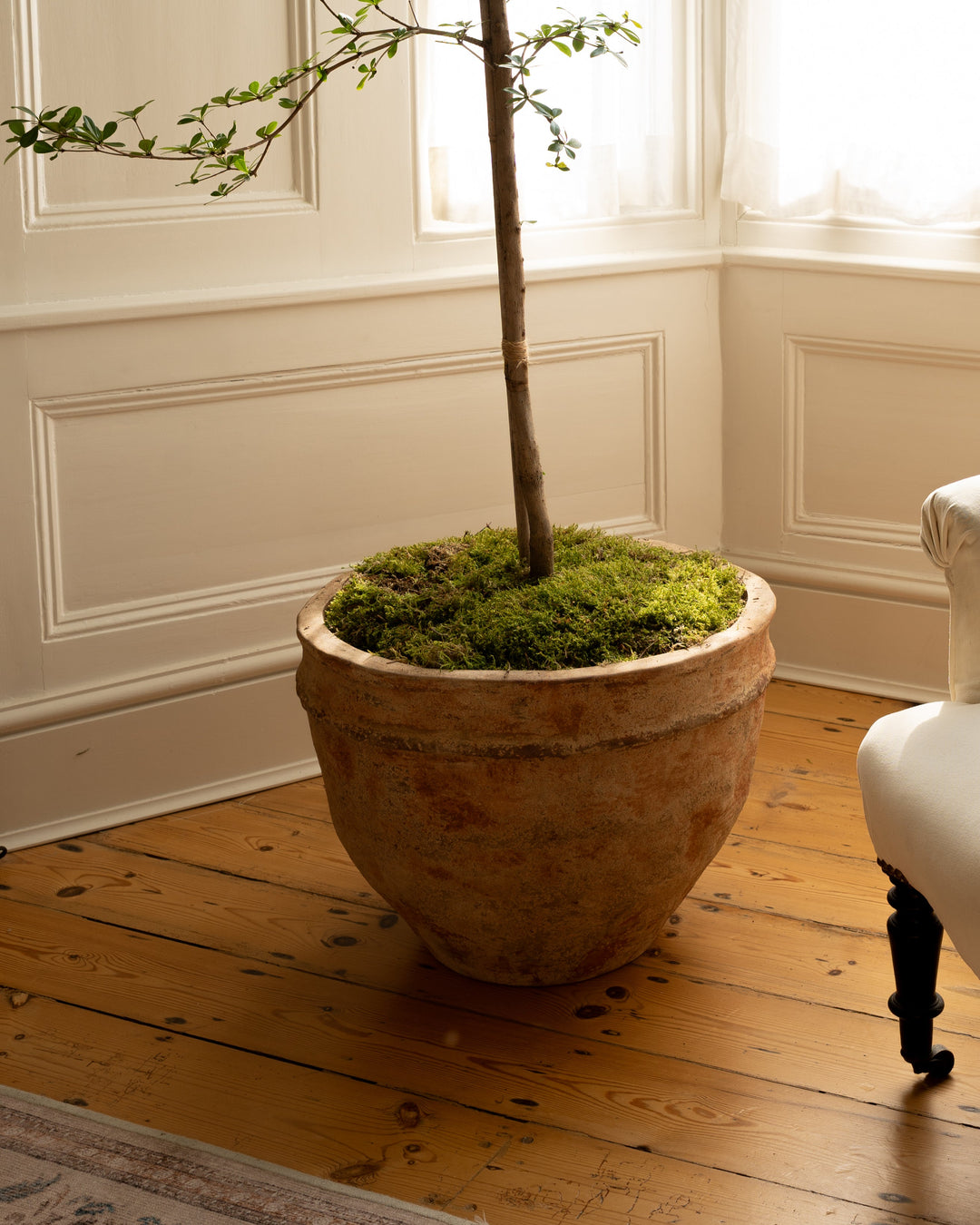
Using Plants to Zone Open-Plan Rooms
Open-plan spaces are now common in both modern homes and offices. While they create light and flexibility, large open rooms can sometimes feel undefined or visually overwhelming.
Plants offer a simple and elegant way to introduce subtle structure without adding walls or partitions. A well-placed plant can help define areas within a room while still maintaining the openness that makes these spaces appealing.
Rather than acting purely as decoration, plants can become quiet architectural elements that guide how a space is experienced.
Why Plants Work Well for Zoning
Plants help divide spaces in a way that feels natural and unobtrusive.
Unlike furniture or screens, plants create soft boundaries rather than hard divisions. They allow light to pass through while still giving the eye a clear sense of where one area ends and another begins.
This makes them particularly effective in spaces such as:
• large living rooms
• open-plan kitchen and dining areas
• studio apartments
• modern office environments
In these settings, plants help bring balance and visual rhythm to the room.
Where Plants Can Define Space
Plants are most effective when used in positions where they naturally mark transitions between different areas.
Between Seating and Dining Areas
Placing a taller plant near the edge of a sofa or beside a dining table can subtly separate living and dining zones without interrupting the flow of the room.
Beside Walkways
In larger spaces, plants can guide movement through a room. Positioning a plant along the edge of a walkway helps visually organise circulation routes.
At the Edge of a Kitchen
In open-plan kitchens, a plant placed near an island or breakfast bar can help visually soften the transition between cooking and living areas.
Beside Reading Chairs or Lounge Areas
A plant next to a chair or small seating arrangement can define a quieter corner within a larger space.
Plants That Work Well for Zoning Open-Plan Rooms
When using plants to help define areas within a room, wider and more spreading plants often work best.
Unlike tall, narrow plants that draw the eye upward, these plants create a soft visual boundary, helping separate areas without blocking light or making the room feel closed off.
Some of the most effective plants for zoning include:
Areca Palm
Areca palms have wide, arching fronds that naturally spread outward. This creates a light, airy screen that works well between seating areas or at the edge of a dining space.
Bird of Paradise (Strelitzia)
Strelitzia plants have large upright leaves that fan outwards, giving them strong presence within a room. They are particularly effective in corners or beside sofas where they help visually anchor the space.
Rubber Plant (Ficus elastica)
Rubber plants tend to branch outward as they mature, forming a fuller silhouette than many upright houseplants. Their broad leaves give them enough visual weight to help define areas in open-plan interiors.
Umbrella Plant (Schefflera)
Umbrella plants have multiple stems with rounded clusters of leaves that spread gently in all directions. This makes them well suited to creating softer divisions within a room while still feeling natural.
These plants tend to work best when positioned slightly away from the wall, allowing their natural shape to define the space around them.
A Simple Interior Design Trick
One technique interior designers often use when zoning open-plan spaces is placing plants slightly away from walls or furniture, rather than pushing them directly into corners.
For example, positioning a plant beside the arm of a sofa or slightly offset from a dining table allows the plant to create a subtle visual boundary between areas.
This small shift makes the plant feel intentional, almost like a piece of furniture, rather than simply filling an empty corner.
In many rooms, a single well-placed plant can be enough to guide how the space is read.
Creating Balance with Placement
Plants should be placed with intention rather than simply filling empty corners.
A useful approach is to think about visual balance across the room.
For example:
• a plant beside a sofa can balance a large wall or shelving unit
• a plant near a dining area can soften hard architectural lines
• two plants placed at opposite ends of a room can anchor the space
Even a single well-placed plant can change how a room feels.
Avoid Overcrowding
When using plants for zoning, it is usually better to focus on a few well-placed plants rather than many smaller ones.
Too many plants can quickly make an open-plan room feel cluttered.
Instead, choose plants with enough width and presence to make an impact without overwhelming the space.
Summary
Plants offer a simple way to introduce structure into open-plan interiors while maintaining the light and openness that make these spaces appealing.
By placing a small number of wider architectural plants in key positions, it is possible to create subtle zones within a room while keeping the overall design calm and cohesive.
Often, a single well-placed plant is enough to define an area and bring balance to the space.